It occurred to me the other day, as I left work with a smile on my face, that I had not cried at work this year. The job I do right now challenges me, makes me feel like a make a difference and I feel encouraged and supported. It’s what you hope any job in your profession would make you feel.
In the last several years, because I felt less and less in control of my emotions, I assumed I was depressed. A counselor and my physician listened to me and also assumed I was depressed and because of that prescribed meds. For the next couple of years, I felt detached; I wasn’t crying anymore, but I wasn’t laughing either, music didn’t touch me, and I stopped dreaming all together. I was functioning, but not feeling, so I made the decision to stop the meds because for me it was better to feel the sadness and cry than not feel anything. Now I had to figure out what was affecting me this way.
In my career I have been fortunate to work with many fabulous people, where the climate and culture were what I would now consider healthy, where leadership was not only supportive but found ways to help me grow as an educator and a person, helping me and others to feel part of the community. What I taught and the importance of music in the lives of my students was recognized. There’s no better feeling in the world than to realize your life’s calling and to have the people you work with affirm this.
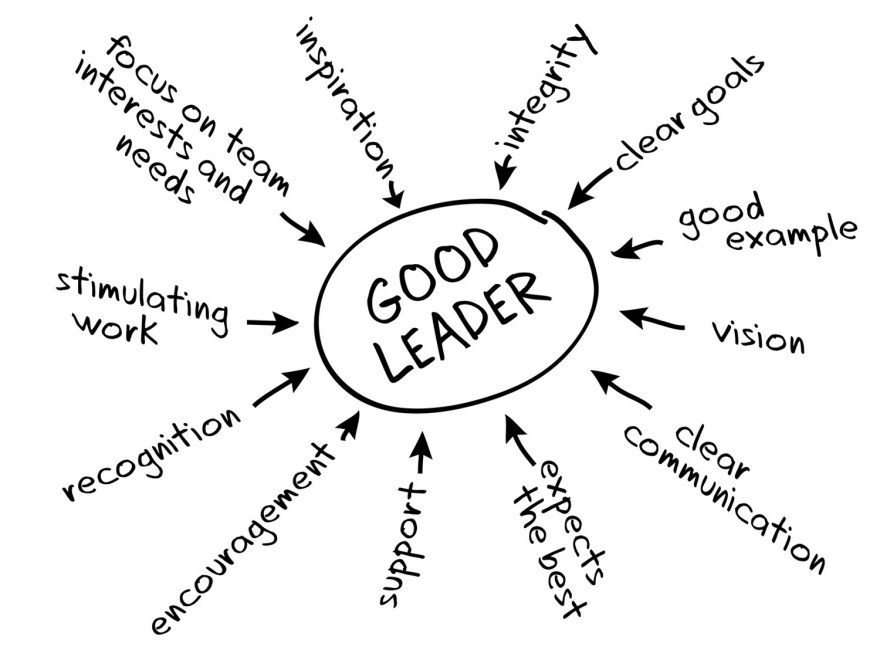
In a culture like this, when leadership leads by example in a supportive nature, the people within the community follow suite. It’s easy to encourage others when you feel encouraged, it’s easy to ask for help when you know you won’t be judged, it’s easy to participate and speak out when you know you’ll be listened to. However, in an unhealthy culture, exactly the opposite happens and instead of participating you isolate, instead of feeling supported you wait for the next shoe to drop and the stress builds. You don’t think of others within the community because you’re too worried about yourself. The tension builds, cliques are created, and an “us versus them” mentality is created. Oh, you may talk about “working together as a team” but the truth is, you’re just trying to survive. At this point, it takes major effort and transparency to even begin to turn this negative culture into a positive one.
I have only experienced this negative climate a few times, both in the educational setting and in my work on boards, and I believe this is a leadership issue – it begins at the top. Is this purposeful on the part of leadership? Perhaps, but I believe it has more to do with deficits in their leadership style. Either they don’t know how to fix things, or they don’t know enough about themselves to use their strengths to create that healthy climate. This assumes that leaders are made, not born which is something I believe in strongly. We can always learn to be better leaders using our individual strengths and learning strategies based on those strengths to become a better leader.
So, does this mean anyone can be a leader? Absolutely! Within your sphere of influence, you can exhibit those leadership attributes and make a difference among the people you work with. However, in a situation where there is inadequate or harmful leadership, you may need to make a decision. Can you work to influence the leadership in order to make your job work or do you look elsewhere? Life doesn’t have to be this way and there are other places that aren’t this difficult.
I once worked in a place where I team taught with a young man who had only taught at this one school, so this particular leadership was all he had ever known. I on the other hand had had the experience of several great communities and I knew almost right away that this was not going to be good. I actually knew when I interviewed but took the job for financial reasons. Bad move and a story for another time. This young man was discouraged and blaming himself for things when it was actually non-supportive and sometimes abusive leadership that was the problem. He left when I did and found out that I was right – you don’t have to continue to deal with poor leadership. Like a great marriage, there are great relationships to be built within a healthy community. I’ve always made sure to tell every student teacher I have had to see how an interview feels in their gut – if it doesn’t feel right, it probably isn’t. An inadequate leader will usually give that away even in their questioning during an interview, whether the interview is all about them or they just don’t know what to ask. It may be time to run far and run fast because it’s a sure sign that the climate and culture in their community will not be what you would hope it to be.
What I have learned from all of this is how important it is to make people I work with feel welcome. I have also learned to be kindly honest with help them so they can be the best they can be, being there to help when I can or finding someone who can help them when I can’t. I’ve learned it’s important to learn my own strengths and how to use them and when to find people who have strengths that I don’t have to partner with. I’ve learned to observe the people I work with and to listen to them to try to get to know them in order to affectively work with them. And I have learned that I can learn to be a better leader, learning from others and learning tried and true strategies. As a leader, it’s my job to create a truly healthy climate and culture within any community or organization I’m lucky enough to be a part of. What are your leadership gifts and how can you use them to make life better for others?
 A Music Teacher's Mid-Life Musings