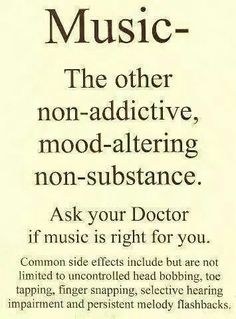
Sometimes people talk very glibly about the power of music. It’s a universal language, it brings people together. All very nice, but apparently not powerful enough to always fund music in schools or insist that every child have music instruction. It’s all well and good when lawmakers stand on the steps of the Capitol singing some patriotic song after a disaster, but providing that experience in the classroom on a regular basis, not so much. Do I seem a little frustrated – occasionally.
When music teachers constantly have to advocate for the subject they teach for the benefit of kids, and other subjects don’t, yes, it gets frustrating. And forgot trying to advocate after the fact. As my friend Lance says, advocacy is a wellness program, not something you do after you’re in the hospital. I may have paraphrased a bit – sorry Lance – but you get the idea. What I might suggest to those who may not believe in the power of music and music education is to watch the faces.
The power lies in watching toddlers dance and make sounds with music. It comes from the 3rd graders I had to opportunity to teach this week. We were only learning about a form in music, by doing, of course, and the look on their faces as they successfully created a chant in the correct form and received applause was intoxicating. Where else can a child not only learn about a musical concept but composition, collaboration, and audience etiquette as well. I could see the smiles even through the masks as the corners of their eyes crinkled.
I’ve watched music educators tear up talking about how excited their students were to play their instruments and sing again, and students expressing how they had missed making music together. Not alone – TOGETHER. Because there is nothing like making music with your friends and colleagues. I’ve seen professional musicians cry describing the first time they got to play their instrument again with others. But of course, you say, these are all musicians. They’re supposed to be excited doing what they love. And if that was all it was, music wouldn’t be that powerful, would it?
The power of music is that it elicits emotions and memories for everyone. I was watching my husband watch one of his favorite groups tonight, playing songs he remembered from high school and college. I watched his face light up as he remembered the horn licks. Time goes away and you feel the age you were at the time you first heard it. I watched the faces of the people at the concert, the smiles, the singing, the light in the eyes, the childlike joy in the sounds remembered from long ago. There is no bigger high than to watch people’s faces when you make music.
That was something I always did with my students. 4th and 5th graders don’t necessarily like singing slow songs or ballads. They’re not fun or exciting. Until you tell them that if they do it right, they’ll make people cry. That the power of the music they make will affect other’s emotions. And it works. So every semester I programmed a piece that would tug at the heartstrings and watched the faces of my students react to the faces of the audience. It wasn’t just the slow songs however. They watched the audience smile, sing, move and respond to the music they created and they realized how powerful they could be in bringing joy to others.
Music provides a pathway for those suffering from memory loss, communicating through musical memories, not only mentally but through muscle memory as well. Our population is getting older and the percentage of those suffering is increasing. Powerful music is going to be necessary for their quality of life.
The power affects the person singing to music in their car next to you, the person dancing with their cart in the grocery store, the person singing to Sweet Caroline at the football game. I have watched upper crust clientele sing and laugh and improvise with Bobby McFerrin at a Symphony concert just like I’ve seen children sing and laugh and dance with Yo Gabba Gabba. Music allows us to step out of our comfort zones, to become like children, to release our anxieties and increase endorphins. It’s the miracle drug, providing a healthy high you won’t get anywhere else. If you don’t believe me, just stop and watch the faces.
 A Music Teacher's Mid-Life Musings