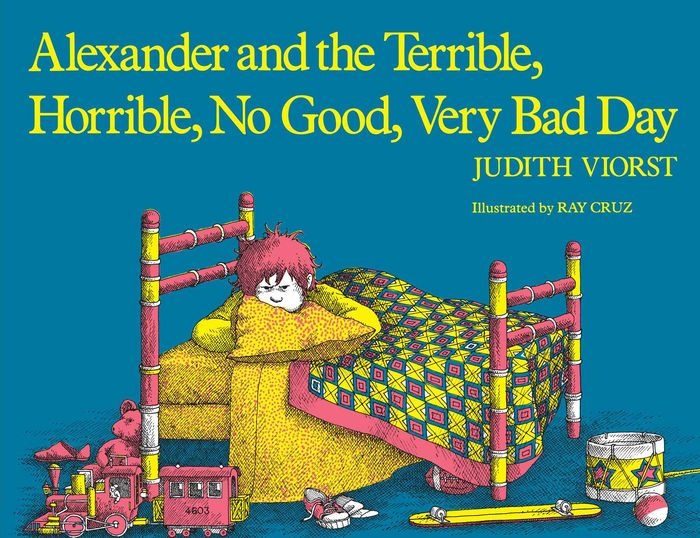
The question asked to the class was, what is a terrible day for you? The students, all English Language Learners ranging from 1st through 5th grade began to share. “Not playing in the park because it is too cold”. “Not having music class.” “No music class”. “No music class”.
The students from countries all over the world were learning music together. Playing rhythm patterns on simple rhythm instruments, singing songs, and reading rhythms by putting them with words from a book. Aside from the large age range, it looked like any other elementary class in terms of content. It was hard to imagine that some students had been there for only months and one student was there for the first time. Here they were, reading, clapping and saying rhythms in their best English, echoing their teacher, laughing and cheering each other on. It was a joyful place where the children’s idea of terrible was not having this music class.
At the end, the teacher gave students the opportunity to play a djembe at the front of the class. Students from parts of the world where this type of music is prevalent jumped at the opportunity to play some rhythmic phrases on the drum. For some of these students, it was as though they had been born to play it, the complicated rhythms and hand positions making it seem as if someone much older was playing. Their classmates cheered, clapped and smiled for each friend playing. That kind of encouragement allowed a quiet girl to walk up and very simply play quarter and eighth note patterns and she too was rewarded with enthusiastic applause.
For me, that’s the joy of teaching younger children. If you let their imagination run wild, they will try and be all kinds of things. A puppet will become real, you can travel in a train or an airplane or become part of a story. While waiting to enter a class last week, I found myself trying to get out of the way of a kindergarten class coming down the hall. Kids are great because they assume if you’re an adult at school, you must be ok and they will wave and smile at you. One little boy raised his gloved hands to me and waved – I thought – so I waved back. He gave me this look of disdain, made the movement again, only more distinct and said, “I’m a crab” and he proceeded to walk sideways down the hallway. I responded with, “good for you!” and laughed. I can afford to do this now, but as a classroom teacher, I probably would have kindly asked him to walk down the hall like the other kids. But who was I to tell this child he couldn’t be a crab?
In another class, the student teacher was reading a book about a character named Mortimer. Well, SHE wasn’t reading it, Mortimer was. Totally believable as the student teacher wore a mask and you couldn’t see her mouth move. The children, seated on the edge of the steps, were entranced by the puppet speaking to them. After a little while, the children recognized the repeated part of the story and said with him “Mortimer, be quiet!”. Every child. At one part in the story, Mortimer said he had seventeen brothers and sisters. “Duuude!” exclaimed one little boy, trying to imagine having that many siblings, I’m sure. The children said hello to Mortimer as they met him and goodbye when we was put away. Lots of smiles and laughter. Not a terrible day.
I watched a short video a colleague of mine made of herself and her toddler daughter at the piano. Mom was playing the “ABC” song while her daughter imitated on the treble end of the keyboard. At the end of every rendition, the child excitedly demanded, “again, again, again!!”. And mom would play again. Three times (at least, as the video stopped), each time with a squeal, “again, again, again!”. Why? Because in the eyes of children, music makes it a very good day.
Life the last couple of years has been hard for all of us, but especially for children. So many of them are having terrible, horrible, no good, very bad days and don’t really understand why. But the places where children are thriving are those classes that nobody seems to take seriously. The ones where children can let go and create and imagine and be whatever they want to be during a time when so much has been taken away. Classes like art, PE and music are not a distraction, I believe they will become the salvation for children in a world where they have difficultly expressing the fear, anger and uncertainty they feel now.
I interacted with another child the other day who reminded me very much of a student I had years ago, a child who expressed her excitement by flapping her arms and shaking her legs. A little one who was holding a ukulele and trying her best to play. She hummed a song she was making up while she played and smiled. Maybe she was imagining herself as a performer. What she was doing wasn’t technically correct, but who was I to tell this child who had difficulty expressing herself verbally, that she was doing it wrong when she was creating her own song. It seemed to be a very good day. Music is so important for ALL children, making a meaningful difference in their day. I ask you, in what other discipline can you hear a child demand, again, again, again?
 A Music Teacher's Mid-Life Musings